
In today’s global economy, the demand for skilled labor is often met in remote locations where traditional housing solutions are insufficient. As industries expand into these challenging environments, companies face the critical task of providing efficient and comfortable living accommodations for their workforce. Lida Group, a leader in prefabricated construction, has developed innovative labor camp solutions that address these challenges. This article explores Lida Group’s prefabricated innovations in labor camps, highlighting their features, benefits, design principles, applications, and future prospects.
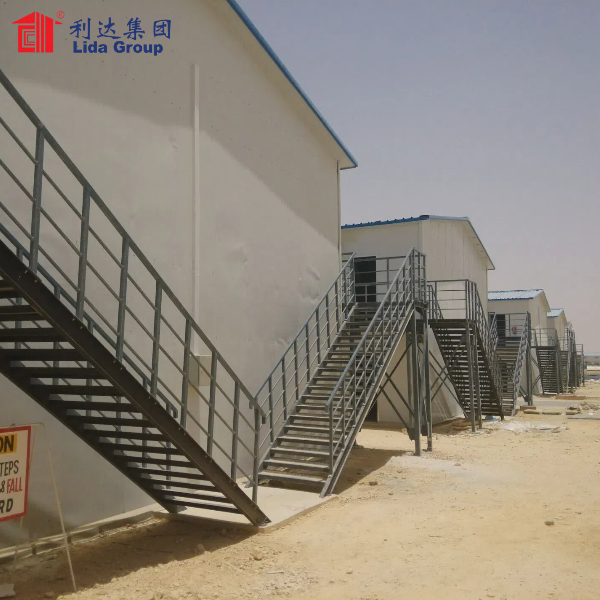
Understanding Prefabricated Labor Camps
What Are Prefabricated Labor Camps?
Prefabricated labor camps are modular housing solutions designed specifically for the accommodation of workers in various industries, including construction, mining, oil and gas, and agriculture. These camps are constructed using prefabricated methods, meaning that the individual components are manufactured off-site in a controlled environment and then transported to the site for assembly. This approach enables rapid deployment, consistent quality, and enhanced flexibility in design.
Key Features of Lida Group’s Prefabricated Labor Camps
- Modular Design: The modular construction allows for easy customization and scalability to meet the specific needs of different projects and workforces.
- Quick Assembly: Prefabricated components can be assembled on-site within a short timeframe, reducing the time required to establish worker housing.
- Durability: Built with high-quality materials, these labor camps are designed to withstand harsh environmental conditions and provide long-term housing solutions.
- Comfortable Living Spaces: Lida Group prioritizes worker comfort by designing living spaces that include essential amenities, such as kitchens, bathrooms, and recreational areas.
- Sustainability: Many of Lida Group’s designs incorporate energy-efficient technologies and sustainable materials, minimizing their environmental impact.
Advantages of Lida Group’s Prefabricated Labor Camps
1. Enhanced Worker Comfort
Comfort is paramount for maintaining worker morale and productivity:
- Spacious Interiors: Lida Group’s labor camps are designed with spacious layouts, allowing workers to relax and unwind after long hours on the job.
- Privacy Options: The design of the camps allows for both individual and shared accommodations, catering to the preferences of different workers.
2. Cost-Effectiveness
From a financial perspective, prefabricated labor camps can be more cost-effective:
- Lower Construction Costs: The streamlined construction process results in reduced material and labor costs compared to traditional building methods.
- Reduced Maintenance Expenses: Durable materials and efficient designs lead to lower ongoing maintenance costs, maximizing return on investment.
3. Flexibility and Scalability
In a dynamic work environment, adaptability is crucial:
- Customizable Designs: Each labor camp can be tailored to meet specific project requirements, including the number of bedrooms, bathrooms, and communal spaces.
- Easily Scalable: As workforce needs change, additional units can be quickly added or modified to accommodate growing teams.
4. Sustainability
Sustainability is a growing concern in the construction industry:
- Eco-Friendly Materials: Lida Group prioritizes the use of sustainable materials, contributing to reduced environmental impact.
- Energy Efficiency: Many designs incorporate energy-efficient systems, such as solar panels and high-quality insulation, which reduce overall energy consumption.
5. Rapid Deployment
Time is often a critical factor in labor housing:
- Quick Setup: Prefabricated labor camps can be assembled in a matter of weeks, allowing for faster project initiation and worker occupancy.
- Immediate Availability: Rapid deployment ensures that workers can move in as soon as the camps are ready, minimizing downtime.
Design Principles of Lida Group’s Prefabricated Labor Camps
To maximize the benefits of its prefabricated labor camps, Lida Group adheres to several key design principles:
1. Modular and Flexible Design
Flexibility is fundamental to Lida Group’s approach:
- Customizable Layouts: Each labor camp can be designed to meet the specific needs of the workforce, allowing for variations in bedroom sizes, communal areas, and facilities.
- Adaptability: The modular nature of the design allows for easy updates or modifications as worker needs evolve, ensuring long-term usability.
2. Safety and Compliance
Safety is paramount in labor camp design:
- Integrated Safety Features: Lida Group incorporates essential safety measures, including fire safety systems, emergency exits, and proper ventilation to ensure a secure living environment.
- Regulatory Compliance: All designs adhere to local building codes and regulations, providing peace of mind for both employers and workers.
3. Community and Social Spaces
Fostering a sense of community among workers is essential for morale:
- Common Areas: Prefabricated labor camps can include communal spaces for dining, relaxation, and recreation, promoting social interaction among workers.
- Supportive Amenities: Facilities such as laundry rooms, kitchens, and recreational areas enhance the overall quality of life for residents.
Applications of Lida Group’s Prefabricated Labor Camps
Lida Group’s prefabricated labor camps can be utilized across various sectors, each with unique accommodation needs:
1. Construction Industry
Labor camps are vital for large-scale construction projects:
- On-Site Housing: Prefabricated labor camps provide comfortable accommodations for construction workers, reducing travel time and increasing productivity.
- Project Flexibility: Easily transportable units can be relocated to different job sites as needed, offering flexibility in project management.
2. Oil and Gas Sector
Remote locations often require adaptable housing solutions:
- Field Camps: Prefabricated labor camps are ideal for creating temporary field camps for workers in remote oil and gas extraction sites.
- Rapid Deployment: Quick assembly allows for immediate worker occupancy, essential for meeting production schedules.
3. Mining Operations
Mining projects often require substantial labor forces:
- Worker Accommodation: Prefabricated labor camps provide safe and comfortable living quarters for miners, enhancing their working conditions and morale.
- Scalable Solutions: As mining operations expand, additional units can be added to accommodate growing teams.
4. Humanitarian Efforts
In disaster relief scenarios, speed and efficiency are crucial:
- Emergency Housing: Prefabricated labor camps can be deployed rapidly in response to natural disasters, providing immediate shelter for displaced populations.
- Support Facilities: These camps can include medical facilities, communal kitchens, and sanitation areas to aid recovery efforts.
5. Agricultural Projects
Seasonal agricultural work often necessitates temporary housing for laborers:
- Harvest Camps: Prefabricated labor camps can be set up during peak harvest seasons, providing essential accommodation for seasonal workers.
- Flexible Configurations: As agricultural needs change, labor camp units can be reconfigured or relocated accordingly.
Case Studies: Successful Implementation of Lida Group’s Prefabricated Labor Camps
Case Study 1: Construction Labor Camp
Challenge: A major construction firm required housing for workers on a large infrastructure project.
Solution: Lida Group designed and implemented a prefabricated labor camp featuring fully equipped living quarters, dining facilities, and recreational areas.
Outcome: The project was completed ahead of schedule, with workers reporting improved living conditions and morale, leading to enhanced productivity.
Case Study 2: Oil Field Worker Accommodation
Challenge: An oil company needed a temporary housing solution for workers at a remote drilling site.
Solution: Lida Group provided a prefabricated labor camp solution that included comfortable living quarters and communal facilities.
Outcome: The quick deployment of the camp allowed the company to maintain production schedules while ensuring worker comfort and safety.
Case Study 3: Disaster Relief Housing
Challenge: A natural disaster displaced thousands of people in a rural area, necessitating rapid housing solutions.
Solution: Lida Group deployed prefabricated labor camps to provide immediate shelter, including essential amenities such as sanitation and cooking facilities.
Outcome: The labor camps were assembled quickly, offering displaced families safe and comfortable living conditions during the recovery process.
The Future of Lida Group’s Prefabricated Labor Camps
Technological Innovations
The future of prefabricated labor camps will be shaped by ongoing technological advancements:
- Smart Integration: Incorporating IoT devices will improve energy management, enhance security, and facilitate maintenance.
- Advanced Construction Techniques: Innovations in prefabrication and construction materials will lead to even more efficient and sustainable housing solutions.
Sustainability Focus
Sustainability will continue to be a central theme in the design and construction of prefabricated labor camps:
- Circular Economy Models: Emphasizing the reuse and recycling of materials will drive further innovation in labor camp designs.
- Carbon Neutrality Goals: The push for carbon-neutral housing solutions will encourage the use of sustainable materials and building practices.
Customization and Adaptability
As workforce needs evolve, the demand for customized and adaptable solutions will grow:
- Tailored Designs: Prefabricated labor camps will increasingly offer customized solutions that meet specific client needs and preferences.
- Flexible Configurations: The ability to easily modify or expand housing units will remain a key feature.
Global Market Potential
The demand for prefabricated labor camps is expected to grow globally:
- Emerging Markets: Developing countries will increasingly seek modern labor camp solutions to support their growing economies and infrastructure projects.
- Evolving Workforce Needs: As the workforce continues to diversify, the need for comfortable and efficient labor housing will become more pronounced.
Conclusion
Lida Group’s prefabricated labor camps represent a significant advancement in the design and construction of workforce housing, addressing the challenges of comfort, efficiency, and sustainability. By prioritizing innovative design, rapid deployment, and eco-friendly practices, Lida Group provides solutions that enhance the quality of life for workers while optimizing operational efficiency for businesses.
As the global demand for effective labor accommodation continues to rise, investing in prefabricated labor camps will empower companies to meet their workforce needs while adhering to sustainable practices.
In a world increasingly focused on efficiency and well-being, Lida Group stands at the forefront of prefabricated housing solutions, offering labor camps that not only meet the needs of today but also pave the way for a sustainable and efficient future in worker accommodation.
Contact Us
Post time: Mar-27-2025